

A new and upcoming Natural Diamond, Gold & Silver Jewellery Business, based in Kochi. Exquisite, exclusive, and traditional jewellery collection which appeals to young and old, at affordable prices.
Akshaya Designs
Opp. Ernakulam Public Library, Convent Road, Ernakulam, Kochi, Kerala.
Monday to Saturday
10:00am To 07:00pm
To protect yourself from inadvertently purchasing a lab-grown diamond (LGD) instead of a real, natural diamond, there are several key steps you can take. With the increasing similarity between the two, it’s essential to be proactive and ensure that you’re buying what you believe you're getting. Here’s how to check for authenticity and ensure you're getting a natural diamond:
Certified Grading Reports: Always ask for a grading report from a recognized gemological laboratory like. These reports will clearly state whether the diamond is natural or lab-grown.
What to do: When buying a diamond, check that the certification explicitly mentions whether the diamond is natural or lab-grown. Don’t accept vague or general certifications.
Ask Akshaya Designs: Your Trusted Source for Certified Grading Reports on Natural Diamonds.
Akshaya Designs offers certified grading reports for their natural diamonds. This is an essential service for customers who want verification of the authenticity, quality, and value of the diamonds they are purchasing. Certified grading reports are issued by reputed gemological laboratories.
These reports provide detailed information about the Diamond's:
Having a certified grading report ensures that you're getting exactly what you're paying for and offers peace of mind regarding the diamond's authenticity. When purchasing a natural diamond, always ask for the certification to confirm its quality and that it's a genuine, earth-mined stone.
Price Differences: Lab-grown diamonds are generally 20-40% cheaper than natural diamonds of the same size and quality. If you find a diamond at an unusually low price, it could be a lab-grown diamond.
What to do: If a deal seems too good to be true, ask for more details and verify the certification and authenticity. Only buy from reputable, trusted jewellers who provide clear information on the origin of their diamonds.
Inclusions and Growth Patterns: Lab-grown diamonds sometimes show specific growth patterns, like metallic inclusions or different crystal structures (for example, CVD diamonds can have distinctive patterns). However, many advanced LGDs now exhibit fewer or no noticeable differences under magnification.
What to do: Have the diamond professionally examined by a gemologist, who can spot these unique growth patterns and inclusions with advanced equipment like microscopes.
Transparency: A reputable jeweler or retailer should be transparent about whether the diamond is natural or lab-grown. Ask the seller for all the details regarding the diamond’s origin, including where it was sourced or manufactured.
What to do: Always ask for clear documentation about the diamond’s provenance. If they refuse or seem evasive, consider it a red flag.
Resale and Legacy: Real diamonds are typically seen as more valuable in the long term due to their rarity and historical significance. Lab-grown diamonds, on the other hand, are likely to depreciate in value over time.
What to do: If you're planning to pass the diamond down as an heirloom or view it as an investment, it’s important to recognize that lab-grown diamonds may not carry the same legacy value. Ask for assurance that the diamond is natural if you want it to retain long-term value.
Gemologist Examination: If in doubt, have the diamond checked by a certified gemologist who has the equipment and expertise to differentiate between natural and lab-grown diamonds.
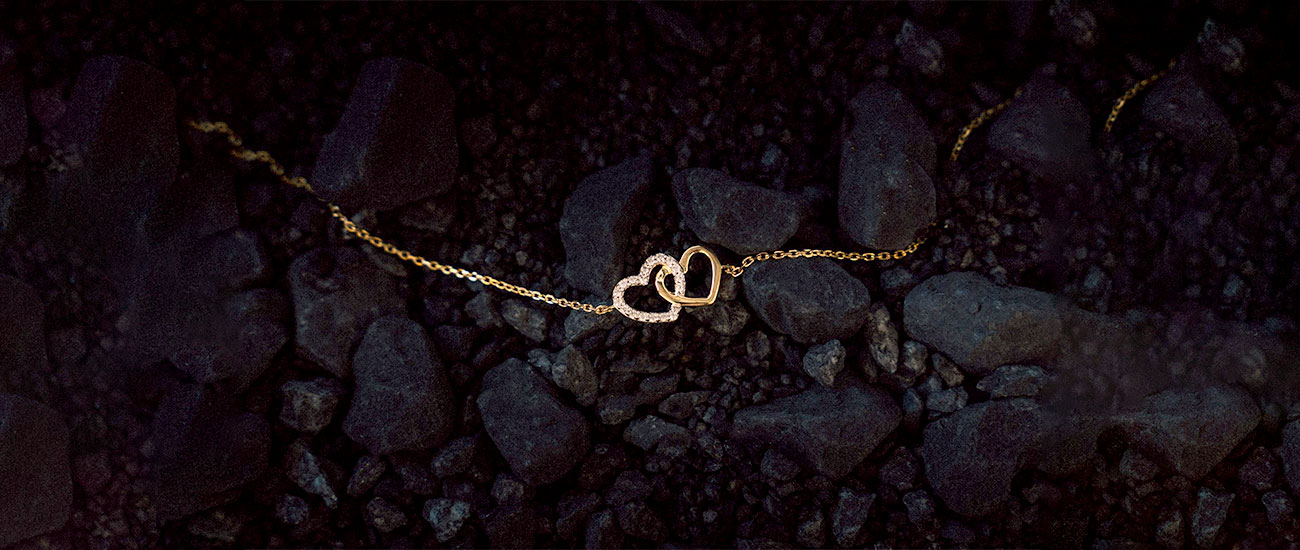
To avoid being misled into purchasing a lab-grown diamond instead of a natural one, you must take a few precautions. Certification, price verification, and professional examinations are the most reliable ways to ensure you're purchasing a genuine diamond. Always buy from reputable sellers and request full transparency regarding the diamond’s origin.
By being vigilant and informed, you can protect yourself from inadvertently buying a lab-grown diamond when you intend to purchase a natural one.